Why Do LED Lights Shine When Changed Off?
LED lights can radiance when turned off as a result of recurring currents from poorly made circuits, capacitor discharge, and innate qualities of LED products. Even when off, small currents may stream via the wiring, creating pale illumination. Furthermore, dimmer buttons can enable roaming voltage to pass, causing this glow. Understanding these variables is important for taking care of unwanted light emissions. Check out how to deal with these problems further for effective solutions and enhanced circuit efficiency.
Takeaways
- Capacitors can maintain charge, creating a faint LED radiance also after the button is turned off.
- Voltage leakage and capacitive combining can produce unintended current flow in off gadgets.
- Semiconductor leak in LEDs permits minute currents to pass, resulting in low-level lighting.
- Incompatible dimmer buttons might not totally disconnect power, resulting in recurring current concerns.
- Relentless radiant or flickering typically shows underlying electrical troubles that call for expert evaluation.
What Causes LEDs to Glow When Shut off?
When you discover LEDs radiant faintly even when they're turned off, it can be perplexing. This sensation often arises from capacitor billing within the circuit. Even when the switch is off, a percentage of current can still stream, particularly if the circuit is inadequately developed. This recurring present can charge capacitors, enabling them to release power gradually, which shows up as a dark radiance in the LEDs. In addition, electro-magnetic disturbance from close-by electrical devices can also add to this impact, permitting stray voltage to show up in the circuit. Recognizing these causes aids clear up why your LEDs might not be completely off, despite what you may expect from their switched-off condition.
What Causes Voltage Leak in Electric Solutions?
Voltage leakage in electrical systems can slip in for several reasons, usually causing inadequacies and safety hazards. One usual cause is ground loopholes, which take place when there are multiple grounding factors in a system, causing undesirable voltage differentials. These differentials can create a path for present to flow also when gadgets are changed off. An additional factor is capacitive combining, where electrical areas from stimulated wires induce voltage in neighboring, unenergized conductors. This sensation can trigger unexpected existing circulation, potentially affecting sensitive digital parts. Both ground loops and capacitive combining can jeopardize system performance and security, making it vital to attend to these concerns during design and installment to guarantee reputable procedure of electrical systems.
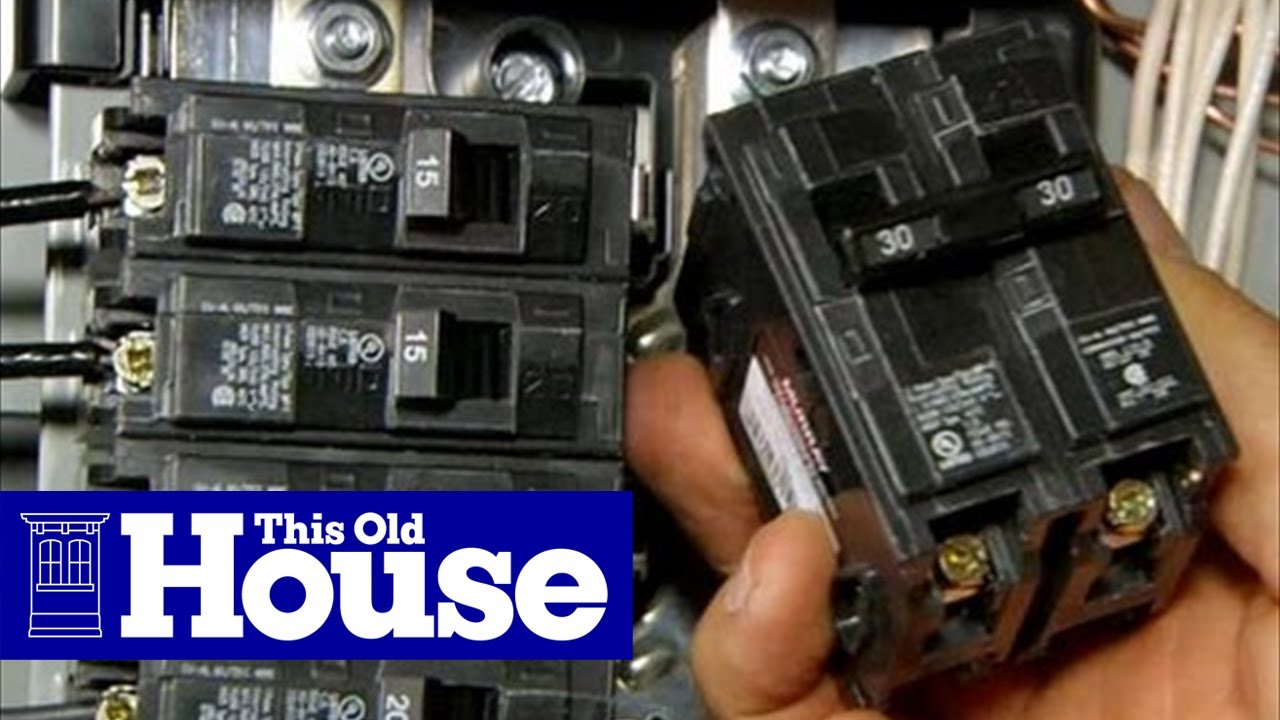
Exactly How LED Layout Creates Undesirable Glow
Although LED lights are understood for their energy performance, their style can in some cases result in an unwanted radiance also when shut off. This phenomenon is mainly due to circuit capacitance, where the capacitance in the circuit enables a small quantity of present to stream despite having the button disengaged. In addition, semiconductor leak can contribute to this problem; it occurs when the LED's semiconductor products permit a min present to travel through, also without a direct source of power. These layout attributes mean that, as opposed to being entirely off, your LED may still produce a pale light. Recognizing these technological elements helps you recognize why your LEDs might glow all of a sudden, regardless of being turned off.

Usual Sources Of LED Radiance: Dimmer Switches and Even More
Numerous variables add to the radiance of LED lights, especially when dimmer switches are entailed. One significant cause is capacitive combining, where stray voltage can flow through the circuit also when the button is off. This residual current can be enough to power the LED, creating a faint electricians in west kingsdown westkingsdownelectrician.co.uk radiance. Additionally, if your dimmer switch uses clever sensors, it might not totally separate the current, bring about similar impacts. Incompatibility between dimmer types and LED light bulbs can aggravate this concern, as traditional dimmers may not efficiently handle low wattage. Understanding these causes aids you recognize why your LEDs may glow suddenly and prepares you for potential options in the future.
Just How to Deal With Unwanted LED Glow
To efficiently address the unwanted glow of LED lights, begin by analyzing your dimmer button. Ensure it works with LEDs, as older buttons can trigger capacitor discharge issues. If problems linger, think about replacing it with a top quality LED dimmer.
Next off, check for ground mistakes, which can also cause this radiance. Evaluate circuitry links and make certain they're secure.
Right here's a fast troubleshooting table to lead you:
ProblemServiceNotes Incompatible dimmerReplace with LED-compatibleExamine maker's specifications Ground faultInspect circuitryEmploy an electrical contractor if unclear Recurring currentInclude a tons resistorSeek advice from device specsWhen to Call an Electrical Contractor for LED Issues
If you discover flickering or dim lights in your LED fixtures, it's an indicator that there might be an underlying electrical concern. Furthermore, consistent radiance problems that do not fix with basic troubleshooting warrant professional evaluation. Disregarding these signs can lead to even more substantial electric hazards, so it's necessary to know when to seek professional help.
Flickering or Dim Illumination
Flickering or dark lighting in LED fixtures can often indicate underlying electrical concerns. This sensation may arise from inappropriate voltage law or inadequate present flow, triggering irregular pulse trains to get to the LED chauffeur. When the chauffeur receives inconsistent signals, you may notice a color change in the given off light, making it show up warmer or cooler all of a sudden. If you observe these signs and symptoms persistently, it's essential to evaluate the circuit for possible mistakes. Loosened links, outdated dimmer switches, or incompatible components can aggravate the trouble. Ignoring these indicators might lead to even more substantial electrical threats. If you're not sure about the cause or how to correct it, it's best to call an electrical contractor to ensure security and correct performance.
Consistent Radiance Issues
LED lights usually display a consistent glow even when switched off, a phenomenon that can signify much deeper electrical concerns. This glow frequently results from capacitor discharge, where recurring power is released after the button is turned off. Stray capacitance in your electrical wiring can likewise add, enabling small currents to move and produce a caused voltage that maintains the LEDs brightened. Additionally, electro-magnetic interference from neighboring gadgets could intensify the problem, creating unanticipated actions in your lights system. If you see a consistent glow regardless of troubleshooting, it's time to call an electrical expert. Disregarding these signs might lead to prospective safety and security dangers or electric failures, so dealing with the underlying problems quickly is vital for preserving a risk-free atmosphere.
Regularly Asked Inquiries
Can All LED Lighting Experience This Glow Phenomenon?
Yes, not all LED lights experience this radiance phenomenon. It's ironic, isn't it? You would certainly think they 'd be unsusceptible to such peculiarities. However, aspects like capacitor leakage and phantom voltage can cause some LEDs to produce a pale glow when off. This happens due to residual present dripping with the circuit, specifically in badly made systems. So, while some lights could seem to oppose logic, it's really simply electric habits at play.
Does the Glow Impact the Lifespan of the LED?
Yes, the glow can impact the life expectancy of the LED. When LEDs glow when switched off, it may cause lasting degradation because of thermal biking. This cycling can trigger tension on the components, possibly shortening their useful life. The heat produced, even in a low state, can add to sped up deterioration, inevitably impacting performance. It's vital to deal with the source of the glow to lessen any type of adverse effects on durability.
Exist Specific Brand Names Extra Prone to Glowing?
Yes, some brand names are a lot more prone to glowing because of producing irregularity. When you compare brand names, you'll notice differences in the high quality of components like resistors and capacitors. Lower-quality materials can lead to unintentional present leakage, causing LEDs to emit a pale radiance when transformed off. It's vital to research study and choose credible brand names recognized for rigid high quality control to lessen this issue and boost performance.
Can Environmental Factors Influence LED Glow?
Yes, ecological aspects like ambient moisture and temperature level fluctuations can affect LED radiance. High humidity levels may cause moisture buildup, which can develop a conductive path, permitting recurring current to travel through. Likewise, significant temperature level variants can affect the LED's internal components, potentially causing unexpected behavior. These conditions can exacerbate the glow effect, leading to noticeable lighting also when the button is off. Comprehending these impacts aids in troubleshooting and reducing the concern effectively.

Is It Safe to Leave Glowing LEDS Unattended?
Leaving radiant LEDs neglected isn't an intense idea. Consider these lights as tiny sentinels-- supervising your space, yet powered by recurring current and capacitive combining. While they might seem safe, that pale glow suggests power is still flowing. It's a subtle tip that even in darkness, there's prospective danger. So, it's smart to watch on them, ensuring that your home continues to be a safe house, free from unanticipated shocks.